







 0
0
 0
0
Read Time:7 Minute, 10 Second
Imagine this: you’re floating on your back, staring at a clear blue sky, and the water around you is so clean you could drink it. No red eyes. No chlorine smell. No slimy sunscreen residue floating on the surface. Just… water. Pure, living, moving water.
That’s the magic of a natural swimming pool — or as the Europeans call it, a swimming pond. And the secret sauce? Aquatic plants. Honestly, it’s not some new-age fad either. People in Austria and Germany have been building these for decades. But here in the US, we’re just catching on. And let me tell you — the payoff is huge.
So, What Exactly Is a Natural Swimming Pool?
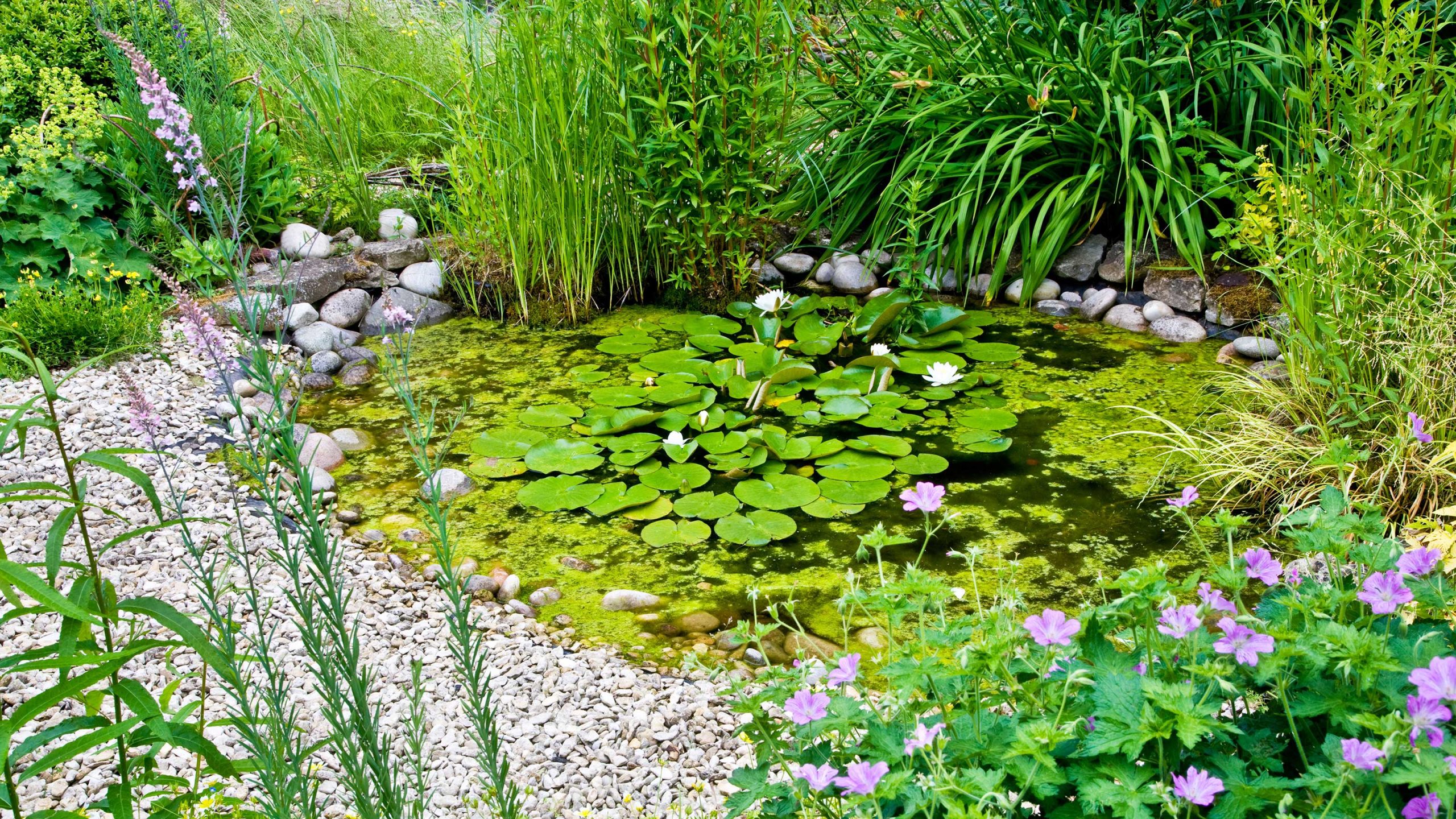
Alright, let’s break this down without getting too technical. A natural swimming pool (NSP) is a two-zone system. You’ve got the swimming area — the open water where you splash around. And then you’ve got the regeneration zone — a shallow, planted area filled with aquatic plants, gravel, and beneficial bacteria.
Water constantly circulates between these two zones. The plants act as a living filter. They absorb nutrients like nitrates and phosphates — the stuff algae loves — and they provide a surface for microbes to break down organic matter. It’s a closed-loop ecosystem that keeps the water crystal clear without a single drop of chlorine.
Think of it like a pond, but designed for humans. Or better yet, think of it as a living organism that happens to be a swimming pool. Because that’s what it is.
The Two Zones, Simplified
Here’s the deal — you can’t just throw some lily pads in a pool and call it a day. The system relies on a careful balance:
- Swimming Zone: Deeper water, typically 4 to 6 feet. No plants here, just open water for swimming. The floor is usually lined with a special pond liner or concrete.
- Regeneration Zone: Shallow water, about 1 to 2 feet deep. Packed with aquatic plants — submerged ones, floating ones, and marginal ones. This is where the water gets “cleaned.”
Some designs even add a third zone — a biological filter with a skimmer and a pump. But the core concept remains the same: plants do the heavy lifting, not chemicals.
Why Ditch the Chlorine? (Besides the Obvious)
Look, I get it. Chlorine has kept pools safe for a century. But it comes with baggage. That strong smell? That’s actually chloramines — a byproduct of chlorine reacting with sweat and urine. Yikes. And for people with sensitive skin, asthma, or allergies, chlorine can be a real nightmare.
Natural pools skip all that. The water is soft, silky, and pH-balanced by nature itself. You don’t need goggles to protect your eyes. You don’t need to shower immediately after swimming to rinse off chemical residue. And you definitely don’t need to worry about your kids swallowing a mouthful of pool water — well, you still might worry, but you shouldn’t. The water is genuinely clean.
Plus, there’s the environmental angle. Every year, millions of gallons of chemically treated water get drained and replaced. Natural pools use the same water for years — you only top it up to replace what evaporates. That’s a win for your water bill and the planet.
The Real MVPs: Aquatic Plants That Do the Work
Now, let’s talk about the stars of the show. Not all plants are created equal. You need a mix of species, each with a specific job. It’s like a team — some are strikers, some are defenders, and some are just there to look pretty while doing the dirty work.
Submerged Plants (The Oxygenators)
These are the workhorses. They live entirely underwater and release oxygen directly into the water. They also compete with algae for nutrients — and honestly, they win almost every time.
- Hornwort (Ceratophyllum demersum): A fast-growing, floating submerged plant that’s a nutrient sponge. It’s like the vacuum cleaner of the pond world.
- Waterweed (Elodea canadensis): Another oxygenator that also provides shelter for beneficial zooplankton. Those tiny critters eat algae. Good guys, all of them.
- Fanwort (Cabomba caroliniana): Delicate, feathery, and beautiful. It creates a lush underwater forest that looks amazing and filters like a champ.
Marginal Plants (The Shoreline Sentinels)
These grow at the water’s edge, with roots in the water and stems in the air. They’re great for stabilizing the banks and adding vertical interest. But they also filter runoff — you know, when it rains and stuff washes into the pool.
- Yellow Flag Iris (Iris pseudacorus): Bold, yellow flowers that scream “summer.” Its roots are excellent at absorbing heavy metals and excess nutrients.
- Pickerelweed (Pontederia cordata): Purple spikes that attract pollinators. It’s a hardy plant that tolerates a lot of neglect, which is perfect for beginners.
- Cattails (Typha latifolia): The classic pond plant. They grow tall and dramatic, and their roots form a dense filter matrix. Just be careful — they can spread aggressively.
Floating Plants (The Surface Shaders)
These guys block sunlight from reaching the water column. Less sunlight means less algae growth. Simple math, really.
- Water Lilies (Nymphaea spp.): The showstoppers. Beautiful, fragrant, and they provide shade and shelter for fish (if you have them).
- Water Lettuce (Pistia stratiotes): Looks like little green rosettes floating on the surface. They multiply fast, so you’ll always have plenty.
- Frogbit (Hydrocharis morsus-ranae): Tiny, heart-shaped leaves that create a lovely mosaic on the water’s surface. Very charming.
How Does the Filtration Actually Work?
Okay, let’s get a little nerdy for a second — but I promise I’ll keep it simple. The filtration in a natural pool is a three-step process:
- Mechanical Filtration: A pump pulls water from the swimming zone and pushes it into the regeneration zone. As the water passes through gravel and plant roots, larger particles like leaves and debris get trapped. It’s like a sieve, but natural.
- Biological Filtration: This is where the magic happens. Beneficial bacteria — the good kind — colonize the plant roots and gravel. These bacteria break down ammonia (from urine and sweat) into nitrites, then into nitrates. And guess what eats nitrates? The plants. It’s a closed loop.
- Chemical Filtration (Sort Of): Plants also absorb heavy metals and other pollutants. They’re like little green sponges. Plus, the UV rays from the sun help neutralize pathogens. Not as fast as chlorine, but effective over time.
The result? Water that’s clear, fresh, and safe — with zero chemical inputs. The whole system runs on a small pump that circulates the water a few times a day. Energy usage is about the same as a standard pool pump, maybe even less.
Table: Natural Pool vs. Traditional Chlorine Pool
Let’s put it side by side, shall we?
| Feature | Natural Pool | Chlorine Pool |
|---|---|---|
| Water Quality | Soft, mineral-rich, no odor | Harsh, chemically treated, strong smell |
| Maintenance Cost | Higher upfront, lower ongoing | Lower upfront, higher ongoing (chemicals) |
| Environmental Impact | Minimal, supports biodiversity | High, uses chemicals and water waste |
| Skin & Eye Irritation | None | Common, especially with poor pH balance |
| Lifespan of Water | Years (only top up evaporation) | Months (frequent draining and refilling) |
| Aesthetic Appeal | Looks like a natural pond, blends with landscape | Looks like a generic blue rectangle |
Sure, the upfront cost of a natural pool is higher — think 20% to 30% more than a traditional pool. But over 10 years, you’ll save that money on chemicals and water. And honestly? The experience is priceless.
Common Misconceptions (Let’s Clear the Air)
I hear the same objections over and over. Let’s tackle them head-on.
“Won’t it turn into a swamp?”
No, and here’s why — a swamp is a stagnant, unbalanced system. A natural pool is constantly moving water through the regeneration zone. The plants and bacteria keep the ecosystem in check. If designed correctly, the water stays clear year-round. It’s not a pond; it’s a pool with a built-in wetland filter.
“Isn’t it full of algae?”
There’s a difference between algae and biofilm. A healthy natural pool might have a thin layer of biofilm on the liner — that’s a good sign. It means the ecosystem is alive. But you won’t see green, murky water. The plants outcompete the algae for nutrients. Simple biology.
“What about bacteria and pathogens?”
This is the big one. Natural pools rely on a diverse microbial community to outcompete harmful pathogens. Plus, the water is constantly filtered and aerated. Studies from Europe — where natural pools are regulated — show that water quality meets strict swimming standards. It’s not sterile, but it’s safe. And honestly, your immune system can handle a little


Happy
0 %

Sad
0 %

Excited
0 %

Sleepy
0 %

Angry
0 %

Surprise
0 %