





 0
0
 0
0
Read Time:5 Minute, 32 Second
Our pets don’t just live in our homes—they inhabit them. They claim the sunny spot on the rug, the corner of the couch, the exact patch of tile that stays cool in summer. So when our animals start to age, when those leaps onto the bed become hesitant and those stairs look more like mountains, the house itself needs to change with them. Honestly, it’s not about remodeling your entire life. It’s about small, thoughtful shifts that make a big difference.
Let’s dive into how you can adapt your space for an aging pet—without sacrificing style or spending a fortune.
Why Pet-Inclusive Design Matters More Than Ever
We’re living in an era where pets are family. Full stop. And just like we’d install grab bars for an aging parent, our senior dogs and cats deserve the same consideration. Arthritis, vision loss, cognitive decline, incontinence—these are real challenges that come with age. In fact, roughly 40% of dogs over age 8 show signs of arthritis, and many cats over 12 develop some form of mobility issue.
But here’s the thing: you don’t need to turn your home into a veterinary clinic. You need to think like a designer who happens to love a creaky-kneed Labrador.
Start With the Floor (Yes, Really)
Floors are the foundation of pet-inclusive design. Literally. Slippery hardwood or tile can turn a simple walk to the water bowl into a scary, sliding mess for an older animal. You know that panicked look when their paws scramble for traction? Yeah. Let’s fix that.
- Add runners and area rugs with non-slip backing along common pathways—hallways, kitchen edges, and near doors.
- Consider carpet tiles in high-traffic zones. They’re easy to replace if accidents happen.
- Use yoga mats as a cheap, washable solution near food and water stations.
- Avoid deep-pile carpets—they can trip up shaky legs and are a nightmare to clean.
And sure, a house full of rugs might not scream “architectural digest,” but it whispers “I love my senior dog.” That’s better anyway.
Ramps, Steps, and the Art of Accessibility
Remember when your cat would leap from the floor to the top of the bookshelf in one fluid motion? Those days might be gone. But that doesn’t mean they have to give up their favorite perch.
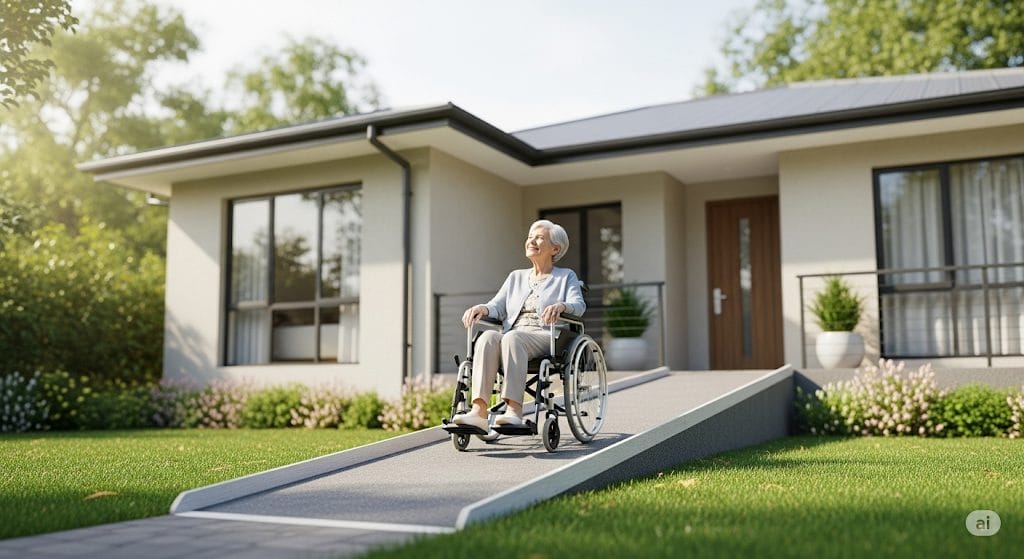
Ramps are your best friend here. And not just the ugly plywood kind. There are now designer pet ramps made from wood, foam, and even upholstered materials that blend right into your decor.
| Area | Solution | Why It Works |
|---|---|---|
| Couch or bed | Foam pet stairs or a low ramp | Reduces joint strain from jumping |
| Car rides | Folding travel ramp | Eases entry and exit without lifting |
| Window perches | Adjustable cat ramp with carpet tread | Keeps senior cats entertained and mobile |
| Outdoor steps | Rubberized stair treads + handrail-style guide | Prevents slips on wet or icy surfaces |
One more thing—place these ramps where your pet already likes to go. Don’t force a new routine. Work with their habits, not against them.
Lighting for Cloudy Eyes and Foggy Minds
Aging pets often develop cataracts, vision loss, or that weird nighttime disorientation where they stand in the middle of the room staring at nothing. It’s heartbreaking. But lighting can help.
- Add nightlights along hallways and near litter boxes or dog doors.
- Use motion-sensor lights in rooms your pet frequents after dark.
- Keep lighting consistent—avoid sudden bright spots that can startle or confuse.
- Reduce glare on hard floors with matte finishes or rugs.
And if your pet has cognitive dysfunction (the pet version of dementia), keep furniture in the same place. Rearranging the living room might feel fresh to you, but to them, it’s a maze with no exit.
Comfort Zones: Beds, Blankets, and Body Support
Senior animals sleep more. Like, a lot more. And their old bones need better support than a thin cushion on the floor. Orthopedic beds with memory foam are worth every penny. Look for ones with low entry points—no high sides to climb over.
Heated beds? Amazing for arthritis. But use them with caution if your pet has incontinence or can’t move away from the heat source. Safety first.
Also, think about elevated feeders. Raising food and water bowls to shoulder height reduces neck strain and helps with swallowing issues. It’s a small change that makes mealtime way more comfortable.
Bathroom Business: Making Potty Time Easier
Let’s talk about the not-so-glamorous stuff. Incontinence happens. Senior pets sometimes can’t hold it as long, or they have trouble getting to the door in time. Shaming them? Never. Adapting your home? Always.
- Indoor potty stations with washable pee pads for dogs who can’t make it outside.
- Low-entry litter boxes for cats with arthritis—or even a simple baking pan as a temporary fix.
- Dog doors with ramps so they can go out independently without stairs.
- Easy-to-clean floor mats under water bowls and near exits.
And honestly? A waterproof blanket on their favorite couch spot saves everyone stress. You can thank me later.
Scratch, Sniff, and Stimulate: Keeping Senior Pets Engaged
Aging doesn’t mean boring. Senior pets still need mental stimulation, just at a gentler pace. Puzzle feeders, snuffle mats, and lick mats are fantastic for keeping their brains active without requiring much physical effort.
Place these enrichment stations in cozy, well-lit areas. Rotate them every few days so they don’t get stale. And if your cat used to love climbing, consider a low-level cat tree with wide platforms and soft ramps.
Temperature Control and Drafts
Older animals struggle to regulate body temperature. They feel the cold deeper, and heat can be dangerous. So, think about where their beds are placed. Avoid drafty hallways and direct vents. A heated pet mat in winter and a cooling pad in summer can make a world of difference.
And you know those sunny spots they’ve always loved? Keep them accessible. Sunbathing is basically senior pet therapy.
Final Thoughts: Design With Love, Not Pity
Pet-inclusive home design for aging animals isn’t about making your house look like a hospital. It’s about removing barriers. It’s about saying, “I see you. I know you’re slower now. And that’s okay.”
Every ramp, every rug, every raised bowl—they’re little love letters written in wood and foam and fabric. Your pet may not understand the design choices, but they’ll feel the comfort. And that’s what matters.
So take a walk through your home today. Not as a human, but as your pet. What’s hard? What’s scary? What’s just plain uncomfortable? Then change it. One small thing at a time.


Happy
0 %

Sad
0 %

Excited
0 %

Sleepy
0 %

Angry
0 %

Surprise
0 %