







 0
0
 0
0
Read Time:5 Minute, 28 Second
Remember when keeping a pool clean meant spending your Saturday afternoon wrestling with a long pole, a leaf skimmer, and a vague sense of regret? Yeah, those days are fading fast. These days, your pool can pretty much take care of itself — and honestly, it might even do a better job than you did. Automated pool cleaning systems and smart water monitoring tech have quietly turned the backyard pool from a chore into, well, a genuinely hands-off luxury.
Let’s dive into how this stuff actually works, what’s worth buying, and where the whole industry is heading.
What Exactly Is an Automated Pool Cleaning System?
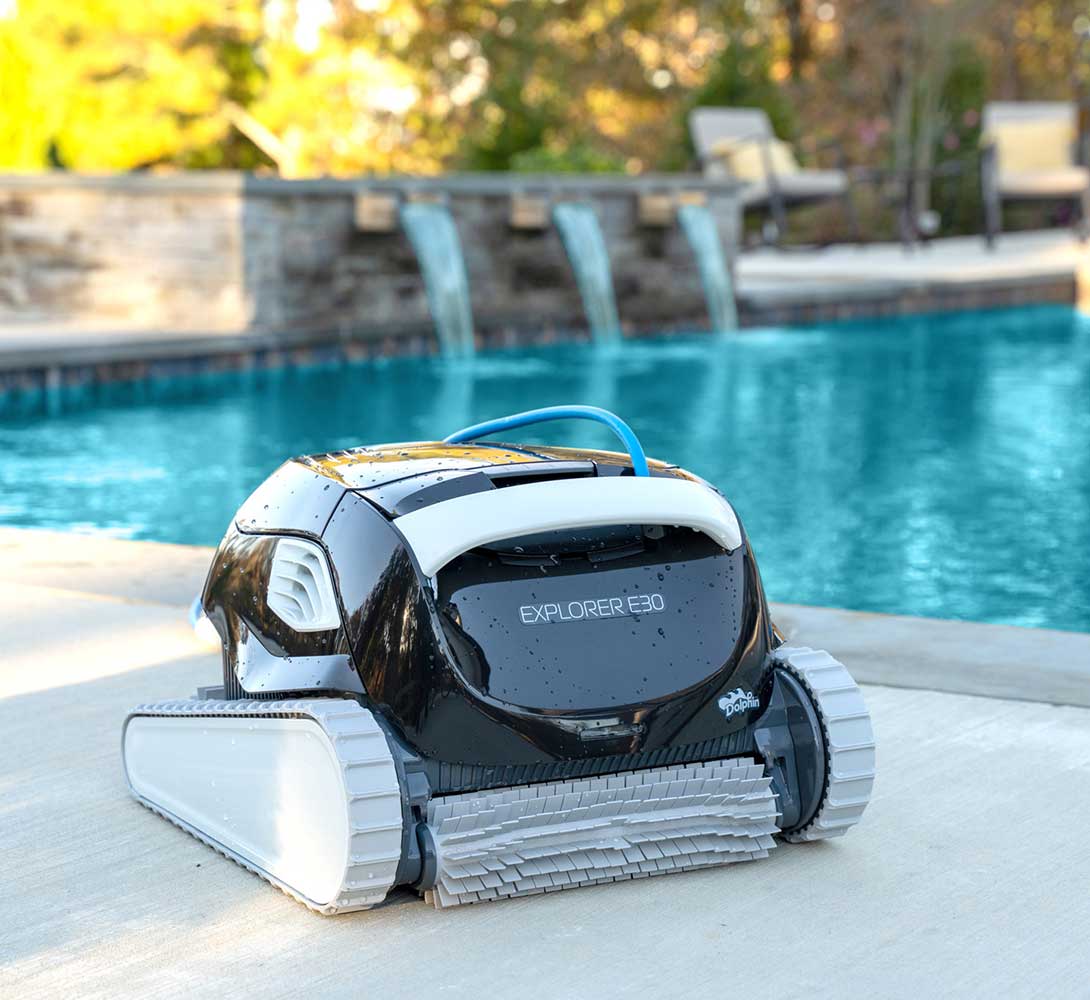
At its core, an automated pool cleaner is a robot — or a pressure/suction-driven device — that scrubs your pool floor, walls, and sometimes the waterline without you lifting a finger. Think of it like a Roomba, but for water. Except water is a much trickier environment. Dirt floats, sinks, clings, and sometimes just drifts around like it owns the place.
There are three main categories worth knowing:
- Robotic cleaners — independent units with their own motors and filters. They run on electricity (low voltage) and map your pool intelligently.
- Suction-side cleaners — connect to your pool’s skimmer and rely on the existing pump. Cheaper, but less thorough.
- Pressure-side cleaners — use a booster pump to blast debris into a collection bag. Great for larger debris like leaves.
Robotic models are where the real innovation is happening. They climb walls, scrub tile lines, and some even filter water down to 2 microns. That’s finer than most sand filters, by the way.
Smart Water Monitoring: The Brains Behind the Clean
Cleaning is only half the battle. The other half? Water chemistry. And this is where smart monitoring tech gets genuinely impressive.
Traditional test kits require you to manually check pH, chlorine, alkalinity, and calcium hardness. It’s tedious, easy to forget, and — let’s be honest — most pool owners guess half the time. Smart monitors change that entirely.
These systems use sensors placed in the water that continuously read chemical levels and send data to an app on your phone. Some even auto-dose the correct chemicals. No more guessing. No more green water surprises before a pool party.
Key Features to Look For
- Real-time pH and ORP monitoring — ORP measures sanitizer effectiveness, not just chlorine level.
- Auto-dosing pumps — dispense acid, chlorine, or both based on live readings.
- Mobile alerts — get pinged when something’s off, even when you’re on vacation.
- Integration with cleaners — some systems sync with your robot to adjust cleaning cycles based on water quality.
Brands like Hayward, Pentair, and Fluidra have jumped into this space hard. And the tech keeps getting smarter — some systems now use AI to predict chemical imbalances before they happen.
Why This Matters More Than Ever
Pool ownership has surged since 2020. Millions of new pools went in during the pandemic, and a lot of those owners had no idea what they were signing up for. The maintenance learning curve is steep. Chlorine tablets, stabilizer, shock treatments… it’s a lot.
Automation solves a real pain point. It also addresses something less obvious: water waste. Smart systems reduce the need to drain and refill pools due to chemical imbalances. That’s a big deal in drought-prone regions like California, Texas, and Arizona.
And then there’s the time factor. The average pool owner spends about 60 hours a year on maintenance. That’s a full work week — gone. Automation gives that time back.
How the Tech Actually Works (Without the Jargon Overload)
Here’s a simple breakdown of the typical smart pool ecosystem:
| Component | What It Does |
|---|---|
| Robotic cleaner | Scrubs and vacuums debris from surfaces |
| Chemical sensors | Read pH, chlorine, ORP, temperature |
| Dosing pumps | Add chemicals automatically |
| Control hub / app | Connects everything, sends alerts, schedules tasks |
| Circulation pump | Moves water so sensors get accurate readings |
When these pieces talk to each other, magic happens. The cleaner runs when the pump is on. The sensors trigger dosing only when needed. The app tells you everything is fine while you’re sipping coffee. It’s a system, not just a gadget.
Are They Worth the Investment?
Short answer: yes, for most people. Long answer: it depends on your pool and your tolerance for tinkering.
Robotic cleaners range from $600 to $1,800. Smart water monitors with auto-dosing can run $500 to $2,500 installed. That’s not pocket change. But consider this — a single algae bloom remediation can cost $300 or more. And replacing damaged equipment due to poor water balance? Easily four figures.
The ROI isn’t just financial, though. It’s sanity. Fewer surprises. Fewer trips to the pool store. Fewer arguments with your spouse about whose turn it is to test the water. That’s worth something.
What’s Coming Next in Pool Tech
The industry is moving fast. Here are a few trends worth watching:
- AI-driven predictive maintenance — systems that flag issues before they become problems.
- Solar-powered cleaners — reducing energy costs and cord clutter.
- Voice assistant integration — “Alexa, clean the pool” is already a thing.
- Water quality blockchain — yes, really. Some startups are exploring tamper-proof water quality logs for commercial pools.
Some of this is hype. Some of it is genuinely useful. The trick is knowing which is which — and that usually comes down to your specific pool setup and how much you care about the details.
A Few Honest Caveats
Automation isn’t perfect. Sensors drift. Robots get tangled in covers. Apps glitch. You’ll still need to check things manually now and then — maybe once a month instead of daily, but still.
Also, not all pools play nice with all cleaners. Vinyl liners, fiberglass, and gunite all have different needs. A cleaner that works great on a flat-bottom pool might struggle with a deep end and a sun shelf. Do your homework. Or, you know, ask someone who’s already been through it.
And one more thing: smart tech doesn’t fix bad habits. If you’re not running your pump long enough or you’re skipping filter cleanings, no amount of automation will save you. It’s a tool, not a miracle worker.
The Bottom Line
Automated pool cleaning and smart water monitoring have turned pool ownership from a part-time job into something you can actually enjoy. The tech is mature enough to trust, affordable enough to consider, and improving every year. If you’ve been on the fence, well… the water’s fine. Probably.
Just don’t expect it to mix your margaritas. Yet.


Happy
0 %

Sad
0 %

Excited
0 %

Sleepy
0 %

Angry
0 %

Surprise
0 %