






 0
0
 0
0
Read Time:7 Minute, 35 Second
Let’s be real—having a pool is a dream. But if you’re one of the millions who sneeze at the mere thought of pollen, mold, or chlorine? That dream can feel like a watery nightmare. I’ve been there. You step outside, ready to float, and bam—your eyes itch, your nose runs, and suddenly that pristine water looks less like paradise and more like a petri dish. The good news? You don’t have to choose between a pool and clear sinuses. With the right maintenance, your backyard can become a sanctuary, not a sneeze factory. Let’s dive in.
Why Pools Trigger Allergies (And It’s Not Just Pollen)
Here’s the thing—most people blame the water. But honestly, it’s often the air around the pool or the chemicals inside it. Pollen, grass clippings, mold spores, and even dust mites love hanging out near water. And then there’s chlorine—the very thing that keeps your pool clean can, ironically, irritate your respiratory system. When chlorine reacts with organic matter (like sweat, sunscreen, or leaves), it creates chloramines—those tiny compounds that give pools that “sharp” smell. That smell? It’s not clean. It’s actually a sign that your pool is begging for better maintenance.
So, if you’re an allergy sufferer, you’re fighting a two-front war: outdoor allergens and chemical byproducts. But don’t worry—we’ve got strategies for both.
Step 1: Master Your Pool’s Chemistry (Without the Headache)
Look, balancing pool chemicals sounds like a chemistry exam. But it’s actually simpler than you think—and it’s your biggest weapon. The goal? Keep chloramines low and pH stable. Here’s the quick cheat sheet:
| Parameter | Ideal Range | Why It Matters for Allergies |
|---|---|---|
| Free Chlorine | 1–3 ppm | Too high = irritant; too low = algae and bacteria |
| pH | 7.4–7.6 | Balanced pH reduces eye and skin irritation |
| Cyanuric Acid (CYA) | 30–50 ppm | Stabilizes chlorine; high CYA = less effective sanitizer |
| Total Alkalinity | 80–120 ppm | Prevents pH swings that cause chloramine spikes |
Pro tip: Use a non-stabilized chlorine shock once a week. It breaks down chloramines fast. And if you’re sensitive? Consider switching to a saltwater system. It produces chlorine more gently, and many folks report fewer respiratory issues. That said, saltwater still needs monitoring—don’t assume it’s “chemical-free.”
Step 2: Filter Like Your Lungs Depend on It (Because They Do)
Your pool filter is like the lungs of your pool. If it’s clogged or inefficient, allergens recirculate right back into the water—and into your air. Here’s the deal:
- Run the pump longer during high-pollen seasons (spring and fall). Aim for 10–12 hours a day, split into two cycles.
- Clean or backwash your filter regularly. A dirty filter traps mold and pollen, then releases them when it’s overloaded. Gross.
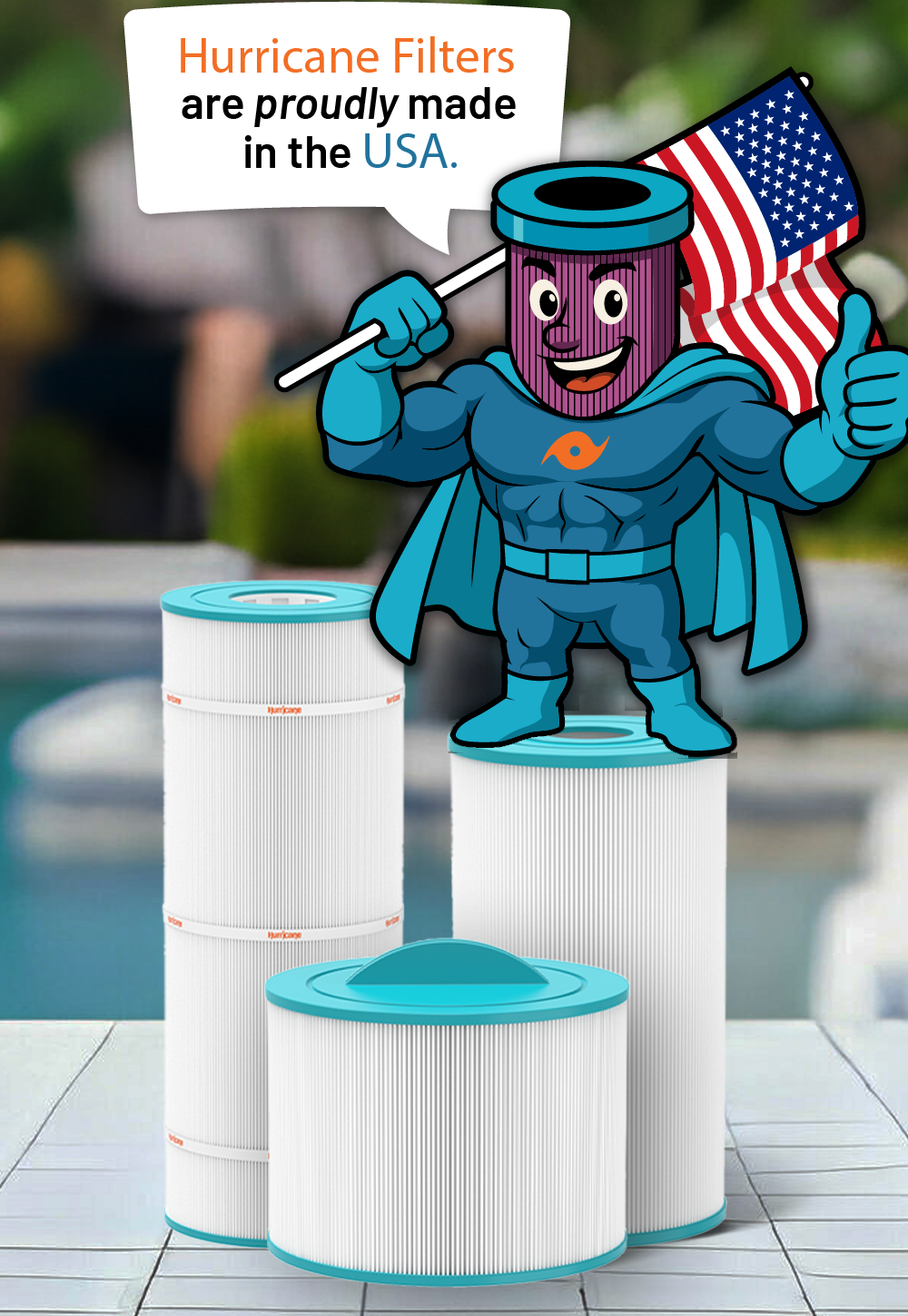
- Upgrade to a cartridge filter if you have a sand filter. Cartridge filters catch finer particles—down to 10 microns. That’s smaller than most pollen grains.
And here’s a little hack: add a pool-grade diatomaceous earth (DE) to your filter if it’s a DE type. It coats the grids and catches microscopic allergens. Just be sure to dispose of the DE properly—it’s not great for the environment if dumped carelessly.
Step 3: Skim, Brush, and Vacuum—Yes, Every Day
I know, I know—skimming seems tedious. But think of it as preventative medicine for your sinuses. Leaves, grass, and bugs decompose in the water, feeding algae and mold. That organic matter also reacts with chlorine to create those nasty chloramines. So:
- Skim the surface every morning. It takes two minutes, tops.
- Brush the walls and floor weekly to dislodge biofilm—a slimy layer that harbors mold and bacteria.
- Vacuum at least once a week. If you have a robotic cleaner, great—but check its filter for pollen buildup.
Honestly, this routine also keeps your water clearer, which means you’ll use less chlorine. Win-win.
Step 4: Control the Air Around Your Pool
Here’s a weird truth: even if your water is perfect, the air near your pool can be a mess. Pollen drifts onto the surface, then gets aerosolized when you splash. Mold loves damp pool decks and shady corners. So:
Landscaping Matters
Plant low-pollen trees and shrubs (like female varieties) away from the pool. Avoid flowering plants that attract bees and release heavy pollen. And please—keep grass clippings out of the water. Use a blower, not a hose, to clean the deck.
Deck and Surroundings
Power wash the deck monthly to remove mold and mildew. Use a diluted bleach solution (1 part bleach to 10 parts water) for stubborn spots—but rinse thoroughly so it doesn’t get into the pool. Also, consider a pool cover. It keeps pollen out when you’re not swimming. Just make sure it’s clean before you pull it off.
Step 5: Rethink Your Pool Chemicals (Go Low-Chlorine, High-Sanity)
If you’re super sensitive, you might want to explore alternatives. But let’s be clear: no pool is chemical-free. Even “natural” pools use enzymes or UV systems. That said, here are some options that reduce respiratory irritation:
- UV-C or ozone systems — These destroy chloramines and reduce the need for chlorine. They’re pricey upfront but worth it for your lungs.
- Enzymatic clarifiers — They break down organic waste without harsh chemicals. Think of them as probiotics for your pool.
- Bromine — Less irritating than chlorine for some people, though it smells different. Test it out on a small scale first.
One more thing: shower before swimming. Seriously. It removes sweat, lotion, and pollen from your skin, so less organic matter enters the water. Your pool—and your nose—will thank you.
Step 6: Watch for Hidden Mold and Mildew
Mold loves damp, dark places—like behind pool lights, under ladder steps, or inside skimmer baskets. If you smell a musty odor near the pool, that’s mold. It’s a major allergen. Here’s how to fight it:
- Check skimmer baskets weekly. Rinse them with a hose.
- Inspect pool light niches and ladder fittings for black or green spots.
- Use an algaecide that targets mold specifically (look for “quaternary ammonium” compounds).
- Keep the pool area well-ventilated if it’s enclosed. A dehumidifier can work wonders.
And hey—if you have a pool house or changing area, check for mold there too. It can drift into the pool space.
Step 7: Test, Test, and Test Again
You can’t manage what you don’t measure. That’s especially true for allergies. Invest in a good test kit—not the cheap strips. I recommend a digital tester or a drop-based kit (like Taylor brand). Test at least twice a week during swim season. And if you notice your eyes stinging or throat scratchy, test immediately. That’s your body telling you something’s off.
Keep a log. Sounds nerdy, I know. But tracking pH, chlorine, and CYA over time helps you spot patterns. Maybe your pool gets worse after a rainstorm (pollen wash-off) or after a party (sunscreen overload). Once you know, you can adjust.
A Quick Word on Pool Covers and Allergens
Pool covers are a double-edged sword. They keep out leaves and pollen—great. But if you don’t clean them regularly, they become a breeding ground for mold and mildew. When you peel it back, you release a cloud of spores. So:
- Use a cover pump to remove standing water.
- Scrub the cover with a mild bleach solution every few weeks.
- Let it dry completely before storing.
If you have a solar cover, same deal—rinse it after each use. Those bubbles trap moisture.
When to Call a Pro (No Shame in That)
Sometimes, despite your best efforts, allergies persist. That’s when you call a pool service—but not just any service. Ask specifically about their approach to low-chloramine maintenance. A good pro will check for hidden issues like a failing filter, a pH drift, or a biofilm problem. They might also recommend a pool enzyme treatment to eat up organic waste. It’s not cheap, but neither is a box of tissues.
Final Thoughts: Your Pool, Your Sanctuary
Look, maintaining a pool when you have allergies is a bit like gardening with a bad back—it takes more effort, but the payoff is worth it. Every time you dive into clear, balanced water and come up without a sneeze, you’ll know it worked. The key is consistency, not perfection. You’ll mess up sometimes. The pH will spike. A leaf will rot in the skimmer. That’s okay. Just keep testing, keep cleaning, and keep listening to your body.
Your pool can be more than a pretty backdrop. It can be a place where you actually breathe easier. And honestly? That’s the real luxury.
[Meta title: Pool Maintenance for Allergy Sufferers – Breathe Easy in Your Backyard Oasis | Meta Description: Learn how to maintain your pool to reduce allergens, chloramines, and mold. Expert tips on chemistry, filtration,


Happy
0 %

Sad
0 %

Excited
0 %

Sleepy
0 %

Angry
0 %

Surprise
0 %