




 0
0
 0
0
Read Time:4 Minute, 57 Second
Let’s be honest. Buying furniture can be a pain. You spend weeks searching, drop a small fortune, and then… life happens. You move cities, your kids outgrow the “indestructible” sofa, or you just get sick of the look. That once-prized bookcase ends up on the curb, destined for a landfill where it’ll sit for decades. It feels wasteful, expensive, and frankly, a bit outdated.
Here’s the deal: there’s a better way. A circular economy model for furniture flips the script entirely. Instead of the old “take, make, dispose” treadmill, it’s about “rent, refurbish, repeat.” It’s a system designed to keep products and materials in use for as long as possible. Think of it like a library for your living room, or a wardrobe for your workspace—where every piece gets multiple lives.
Why the Linear Model is Breaking Down
Our traditional relationship with furniture is, well, linear. We buy it new, use it, and then discard it. The environmental cost is staggering. The EPA estimates that over 12 million tons of furniture wound up in landfills in a recent year. That’s a lot of couches. And that’s not even counting the resources—the wood, metal, water, energy—that went into making them, only to be buried.
Consumers are feeling this pinch too. We’re more mobile, more conscious of our spending and our footprint. The pain points are real: commitment-phobia towards big-ticket items, the hassle of resale, and the guilt of waste. The market, honestly, is begging for a change.
Two Pillars of the Circular Furniture Revolution
This revolution stands on two main pillars: rental/subscription models and professional refurbishment. They often work hand-in-hand, creating a closed-loop system that’s pretty clever when you see it in action.
1. Furniture Rental & Subscription: Access Over Ownership
You know Netflix for movies? Or Spotify for music? This is that, but for your dining table. Companies offer flexible rental terms—from months to years—where you pay a monthly fee for the use of high-quality furniture. When you’re done, they pick it up. No selling, no dumping.
This model is a game-changer for specific demographics:
- Digital Nomads & Frequent Movers: Need a furnished apartment for a 12-month contract? Perfect.
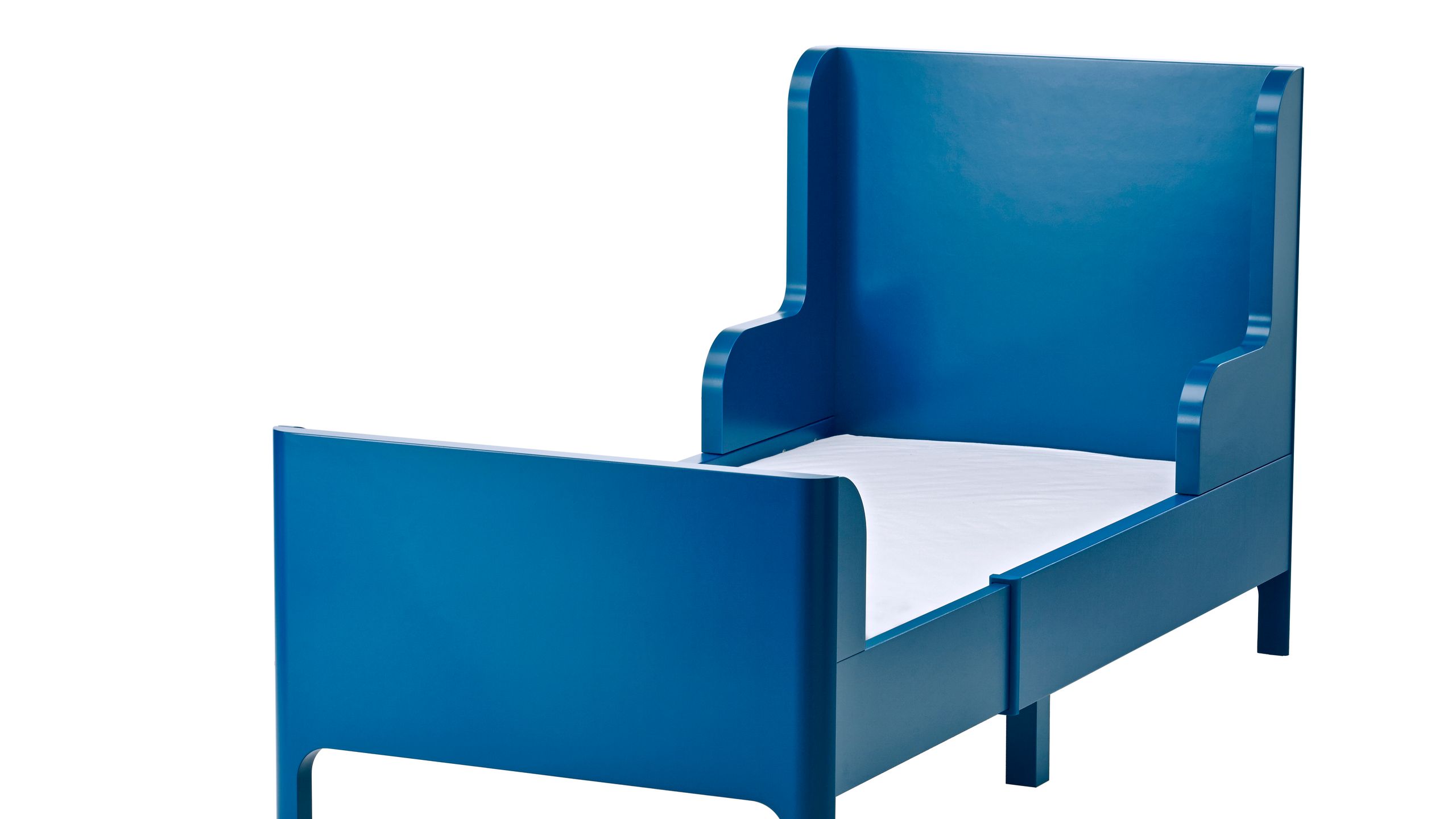
- Growing Families: Rent a crib, change it for a toddler bed, then swap for a twin. It just makes sense.
- Startups & Flexible Workspaces: Scale office furniture up or down without massive capital outlay.
- Style Experimenters: Tired of your mid-century modern phase? Swap it for coastal grandma next year.
The key here is flexibility and reduced upfront cost. But the real magic happens behind the scenes when that returned piece comes back to the warehouse.
2. Furniture Refurbishment & Remanufacturing: The Art of the Second Life
This is where circular economy principles get physical. Refurbishment isn’t just a light dusting. It’s a rigorous process of restoration. When a rented piece is returned, or when a company buys back used furniture, it goes through a meticulous check-up.
| Step in the Process | What Happens | Circular Outcome |
| Assessment & Sorting | Every item is inspected for damage, wear, and structural integrity. | Items are triaged for repair, part harvesting, or (as a last resort) material recycling. |
| Repair & Restoration | Scratches are sanded and re-finished. Fabrics are deep-cleaned or replaced with durable, sustainable textiles. Mechanisms are fixed. | The product’s life is extended by years, often making it “like new” or even better with upgrades. |
| Quality Assurance & Redistribution | The item is rigorously tested, photographed, and re-listed for rental or sale as “renewed.” | It re-enters the market, avoiding landfill and displacing the need for a brand-new product. |
This process preserves the vast majority of the embodied energy in the original item—the energy used to harvest materials and manufacture it. It’s a huge win for carbon footprint reduction.
The Tangible Benefits: It’s Not Just Green, It’s Smart
Sure, the environmental benefits are compelling. But for these models to truly go mainstream, they have to make economic and practical sense. And they do.
- For Consumers: Lower upfront costs, ultimate flexibility, no resale hassle, and access to higher-quality pieces than you might afford to buy outright. Plus, that feel-good factor is real.
- For Businesses: Recurring revenue streams, deeper customer relationships, valuable data on product durability, and a powerful brand story rooted in sustainability.
- For the Planet: Dramatic reduction in waste and resource extraction. Lower carbon emissions. Less clutter in our world.
Challenges on the Road to Circularity
It’s not all smooth sailing, of course. These models face hurdles. Logistics are complex—moving heavy furniture efficiently is a puzzle. Designing furniture for disassembly and long life from the start is crucial but not yet industry standard. And there’s a mindset shift needed: overcoming the stigma of “used” furniture and redefining what ownership means.
But these challenges are being tackled. Companies are investing in reverse logistics, designers are creating modular pieces, and consumers, especially younger generations, are leading the charge in valuing access and experience over outright possession.
What This Means for the Future of Our Homes
The rise of furniture rental and refurbishment signals something deeper than a trend. It’s a move towards a more fluid, responsible, and intelligent way of living. Our spaces can evolve with us, without the weight of permanent commitment or waste.
Imagine a world where your furniture has a history and a future that extends beyond your front door. Where a dining table hosts family dinners in one home, gets a fresh coat of paint and new legs, then becomes a creative desk in another. It’s a story, not a transaction.
That’s the promise of the circular economy for furniture. It asks us to see the objects in our homes not as endpoints, but as chapters in a longer, more sustainable narrative. The question isn’t really whether this model will grow—it’s how quickly we’ll all choose to turn the page.


Happy
0 %

Sad
0 %

Excited
0 %

Sleepy
0 %

Angry
0 %

Surprise
0 %