







 0
0
 0
0
Read Time:5 Minute, 23 Second
Let’s be honest — when you live in a studio apartment with exactly one south-facing window, the dream of harvesting your own tomatoes can feel a little… ambitious. I’ve been there. Staring at a sad basil plant on the sill, wondering if I’d ever graduate to actual vegetables. Well, here’s the deal: vertical hydroponic systems changed that equation entirely. And no, you don’t need a spare room or a background in botany.
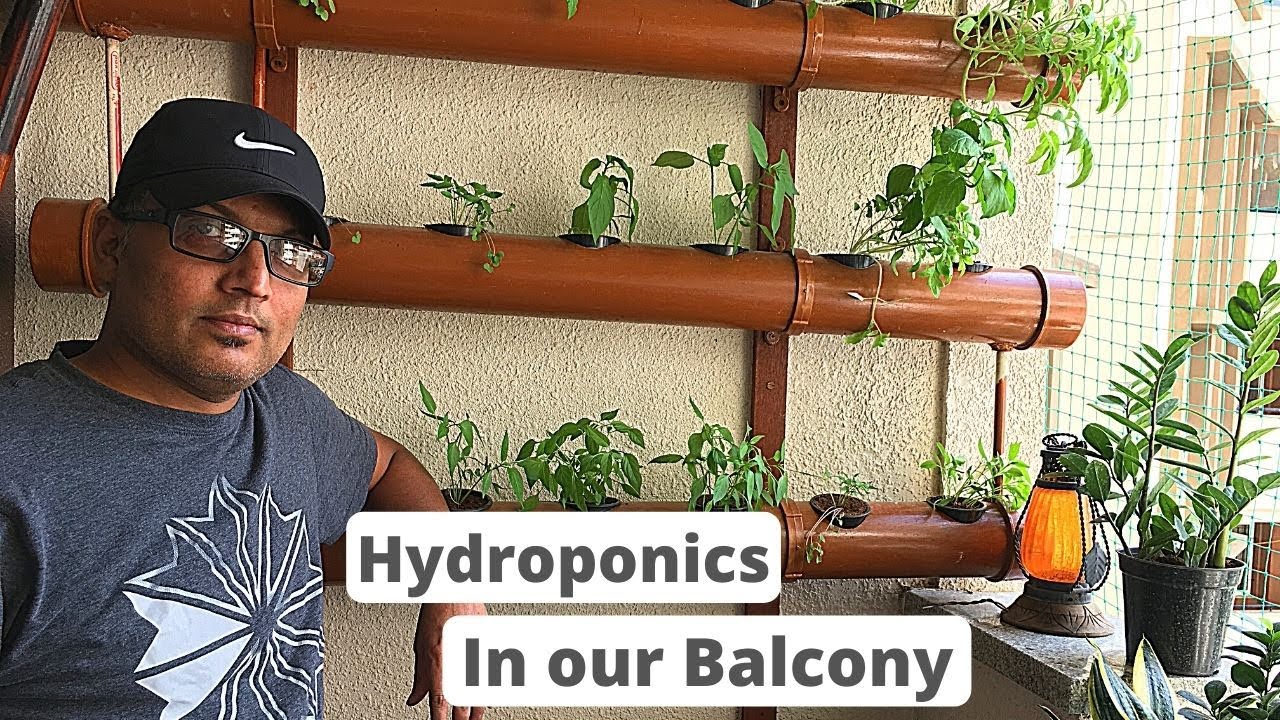
Hydroponics, in case you’re new to the term, simply means growing plants in water enriched with nutrients instead of soil. Stack that concept upward — literally grow towers, wall panels, shelf racks — and suddenly your cramped corner becomes a productive micro-farm. It sounds futuristic, sure, but people are doing it right now in closets, balconies, and yes, even tiny kitchens.
Why Vertical Hydroponics Fits Small Spaces So Well
Think about it: a traditional garden spreads out. It demands square footage, sunlight, soil, weeding, watering schedules that you’ll inevitably forget. Vertical hydroponics flips all of that. You grow up, not out. And because the system recirculates water, you’re using up to 90% less water than conventional soil gardening. That’s not a small stat — that’s a game changer for anyone paying city water bills.
Plus, no soil means no soil-borne pests. No dragging bags of potting mix up three flights of stairs. No muddy mess on your kitchen floor. Honestly, once you go hydro, the idea of hauling dirt indoors starts to feel a bit… medieval.
Choosing the Right System for Your Square Footage
Not all vertical hydroponic setups are created equal. Some are sleek countertop units that look like designer appliances. Others are DIY PVC towers that lean more “mad scientist” than “home decor.” Both work. The question is what fits your space, budget, and how much fiddling you actually enjoy.
Popular Options at a Glance
| System Type | Best For | Footprint | Approx. Cost |
|---|---|---|---|
| Countertop tower | Herbs, lettuce | 1 sq ft | $80–$200 |
| Wall-mounted panel | Greens, strawberries | 2–4 sq ft | $150–$400 |
| DIY PVC tower | Tomatoes, peppers | 2 sq ft | $40–$100 |
| Multi-tier shelf system | Mixed crops | 4–6 sq ft | $200–$600 |
See? Even a closet shelf can become a farm. That said, don’t rush to buy the biggest system you can afford. Start small. Learn how your plants behave. Then scale up once you’ve got the rhythm down.
What Can You Actually Grow Vertically?
More than you’d think. Leafy greens are the obvious champions — lettuce, kale, spinach, arugula. They thrive in hydro, grow fast, and don’t need deep root space. Herbs are another no-brainer: basil, mint, cilantro, parsley. You’ll wonder why you ever paid $4 for a wilted bunch at the store.
But here’s where it gets fun. With the right lighting and a slightly taller tower, you can grow:
- Cherry tomatoes (dwarf varieties work best)
- Peppers — bell, jalapeño, even habanero
- Strawberries, which love the trailing vertical setup
- Bush beans and peas
- Radishes and small carrots in deeper channels
Sure, you won’t be growing pumpkins. But a fresh salad every week? Absolutely doable.
The Lighting Question (Because Windows Aren’t Enough)
Let’s address the elephant in the room. Most apartments don’t get enough natural light for vigorous vegetable growth. A sunny windowsill might keep a succulent alive, but lettuce needs more. That’s why LED grow lights are basically the unsung hero of indoor hydroponics.
Modern LEDs are cheap to run, don’t scorch your plants, and fit neatly into vertical racks. Look for full-spectrum options — they mimic sunlight closely enough that your plants won’t know the difference. A timer helps too. Set it for 14–16 hours a day and forget it. Well, mostly forget it. You’ll still peek. Everyone peeks.
Nutrients, pH, and Other Things Nobody Told You
Here’s the part that intimidates people: water chemistry. But honestly, it’s simpler than it sounds. You’re managing two main things — nutrient concentration and pH balance.
- Nutrients: Buy a hydroponic nutrient solution (usually two bottles — “grow” and “bloom”). Mix according to label. Don’t eyeball it.
- pH: Most crops like slightly acidic water, around 5.5 to 6.5. A cheap pH test kit or digital pen keeps you honest.
- Water level: Top off regularly. Roots shouldn’t dry out, but they also shouldn’t drown.
- Cleaning: Every few weeks, flush the system. Algae and gunk love warm, nutrient-rich water. Don’t let them move in.
It sounds like a lot, I know. But after the first month, it becomes routine. Like checking your email, except your inbox grows back as lunch.
Common Mistakes (and How to Dodge Them)
I’ve killed my share of plants. Not proud of it. But the lessons stuck.
- Overcrowding: Vertical doesn’t mean jam-packed. Plants need airflow. Give them room.
- Ignoring pH drift: It creeps. Check weekly, not monthly.
- Using tap water blindly: Some municipal water is too hard. Let it sit overnight or filter it.
- Skipping the timer: Plants need dark hours too. 24/7 light stresses them out.
- Starting with fussy crops: Skip the strawberries first round. Grow lettuce. Build confidence.
And hey — if a crop fails, it’s not a moral failing. It’s data. Adjust and replant.
Making It Look Good (Because You Live There)
One overlooked perk of vertical hydroponics? It’s genuinely attractive. A wall of trailing greens or a lit tower of herbs looks like intentional interior design. Not a hobby gone rogue. Tuck the reservoir behind a cabinet. Hide cords with clips. Choose systems with neutral finishes. Suddenly your “garden” is a conversation piece.
And the sensory payoff — brushing past fresh basil, hearing the soft trickle of recirculating water — it’s calming. Almost meditative. In a small apartment, that matters more than you’d expect.
Is It Worth the Investment?
Short answer: yes, if you’re in it for more than one season. A decent starter system costs about what you’d spend on herbs for six months. After that, you’re harvesting for pennies. The real return, though, isn’t financial. It’s the weird joy of snipping your own lettuce for a sandwich on a Tuesday night. It’s knowing exactly where your food came from — because you watched it happen, three feet from your couch.
Vertical hydroponics won’t replace your grocery store. But it will shrink the distance between you and your food. And in a small space, that’s no small thing.


Happy
0 %

Sad
0 %

Excited
0 %

Sleepy
0 %

Angry
0 %

Surprise
0 %