







 0
0
 0
0
Read Time:4 Minute, 59 Second
Let’s be honest. City living, especially way up in a high-rise, can sometimes feel… disconnected. You’re surrounded by concrete, glass, and the hum of traffic. You crave a patch of green, a breath of something alive. That’s where biophilic container gardening comes in—it’s not just about having plants, it’s about weaving nature back into the fabric of your daily life, right there on your balcony.
Biophilic design is a fancy term for a simple, ancient idea: humans have an innate need to connect with nature. And you don’t need a backyard to tap into it. A balcony, no matter how small or windswept, can become a thriving pocket ecosystem. This guide is your blueprint for creating that sanctuary.
Why Your Balcony Needs a Biophilic Makeover
Sure, plants look nice. But the benefits of biophilic balcony gardening run deeper. Studies show that being around plants reduces stress, improves focus, and even boosts air quality. For high-rise dwellers, it transforms a sterile outdoor slab into a personal retreat. It buffers noise, provides privacy, and creates a micro-habitat for you—and for birds and pollinators, too.
The Core Principles for a Sky-High Garden
Think of these as your non-negotiable guidelines. First, diversity. Don’t just get one type of plant. Mix textures—feathery ferns, glossy evergreens, spiky grasses. Layer heights. This complexity mimics a natural landscape and is way more engaging.
Second, engagement of the senses. It’s not just visual. Include fragrant herbs like rosemary or jasmine. Add plants that rustle in the wind, like bamboo or ornamental grasses. Maybe even a small water feature for sound.
Finally, embrace change and rhythm. A biophilic garden isn’t a static display. It grows, blooms, drops leaves, and cycles with the seasons. That’s the point. You become attuned to these natural rhythms, a welcome contrast to the static city view.
Getting Started: The Container Garden Foundation
Alright, let’s get practical. Your containers are your garden’s bedrock. Weight is a huge factor up high. Lightweight materials like fiberglass, recycled plastic, or fabric grow bags are your friends. But ensure they have ample drainage holes—root rot is a silent killer.
Size matters more than you think. Bigger pots hold more soil moisture and insulate roots better from the often harsh balcony sun and wind. A deep pot is crucial for veggies like tomatoes or for small trees.
The Ultimate Soil Mix for Containers
Don’t just shovel in dirt from the ground. Container plants live in a closed system. They need a premium, well-draining potting mix. I like to use a base of high-quality potting soil and mix in some coconut coir for moisture retention and perlite for aeration. It’s like giving your plants a breathable, five-star mattress.
Plant Selection: Choosing Your Balcony Companions
This is the fun part. Your plant choices depend entirely on your balcony’s conditions. Is it a sun-drenched urban oasis or a shady retreat? Watch the light for a full day before you buy anything.
For wind-swept balconies (a common high-rise pain point), go for tough customers. Ornamental grasses, sedums, lavender, and dwarf conifers can handle the gusts. Create a windbreak with a trellis of sturdy climbing plants like star jasmine.
| Balcony Condition | Top Plant Picks | Pro Tip |
| Full Sun (6+ hrs) | Succulents, Herbs (thyme, oregano), Lantana, Dwarf Citrus | Group pots to create a self-shading microclimate. |
| Partial Shade | Ferns, Begonias, Heuchera, Lettuce & Kale | Use light-colored pots to reflect available light. |
| Windy | Grasses, Juniper, Bay Laurel, Russian Sage | Secure tall pots and use heavy mulch to prevent soil blow-out. |
Going Vertical: Your Secret Weapon
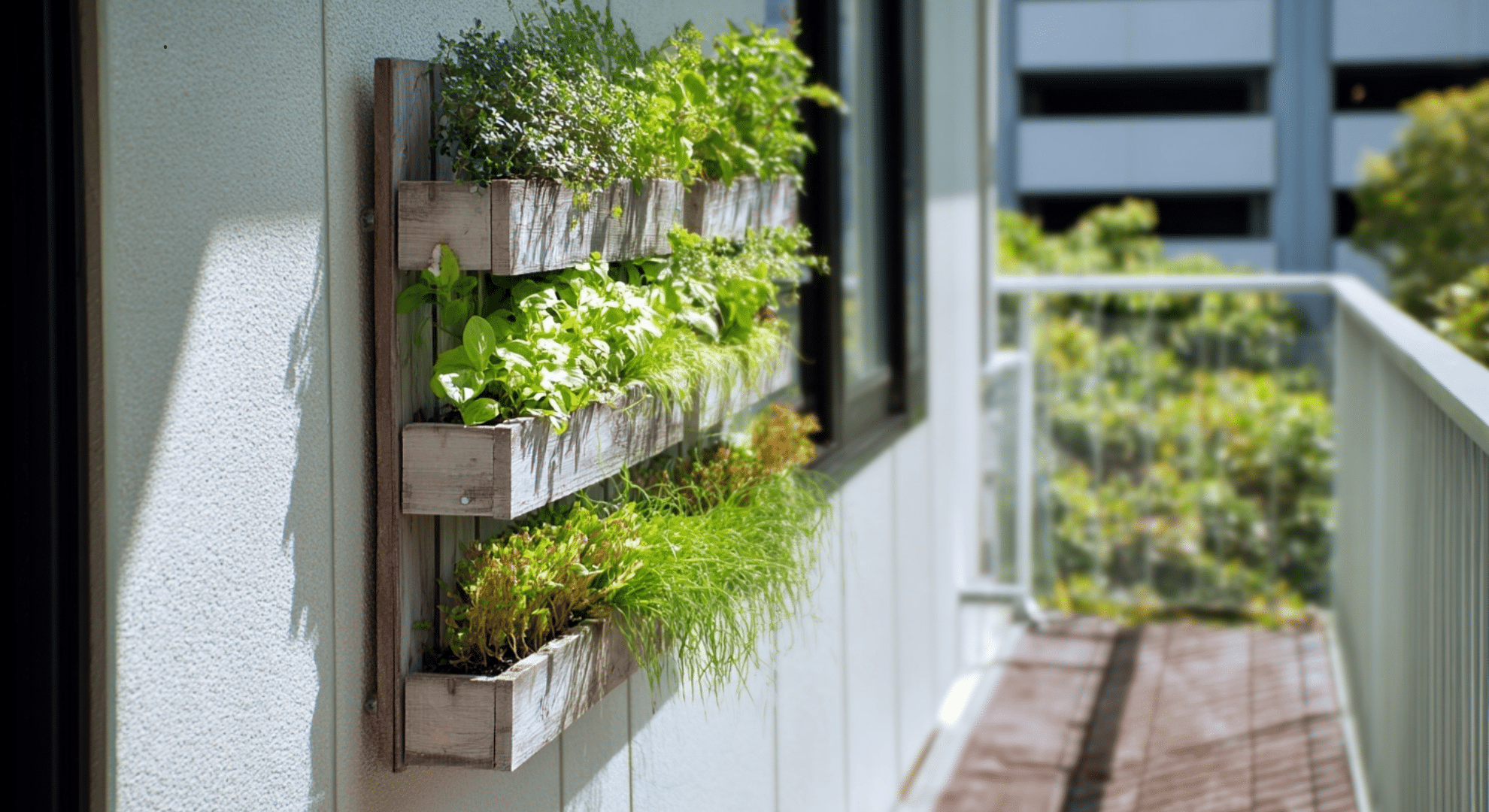
Floor space is limited. So, think up. Vertical gardening is a game-changer for small balcony gardening solutions. Use wall-mounted planters, a trellis for climbing peas or morning glories, or even a simple tiered shelf unit. It adds that lush, enveloping feel that’s core to biophilic design.
The Maintenance Rhythm: Less Chore, More Therapy
Here’s the deal: if you set this up right, maintenance becomes part of the connection, not a burden. Watering in the early morning becomes a meditation. Checking for new growth is a small joy.
Key things to remember:
- Watering: It’s the number one task. Stick your finger in the soil. If it’s dry an inch down, water deeply until it runs out the bottom. In summer, this might be daily. In winter, maybe weekly.
- Feeding: Container plants exhaust their nutrients. Use a slow-release organic fertilizer at the start of the season and a liquid feed every few weeks during peak growth.
- Pruning & Deadheading: Don’t be afraid to snip. It encourages bushier growth and more flowers. It’s like giving your garden a haircut.
Beyond Plants: The Finishing Touches
To truly anchor your space in biophilic principles, add elements that engage and soothe. A small, solar-powered fountain adds the sound of moving water. A comfortable chair made from natural materials—teak, rattan—invites you to sit and linger.
Use natural textures underfoot: a bamboo mat, a woven rug. Even the choice of a terracotta pot over a slick plastic one adds a tactile, earthy element. At night, use warm, soft lighting—perhaps fairy lights woven through the railing—to extend the hours you can enjoy your haven.
A Living Space That Lives With You
In the end, your biophilic balcony garden is a partnership. It’s a dynamic, living system that you curate and care for. It will have its ups and downs—a plant that doesn’t thrive, a pest that visits. That’s okay. It’s all part of the connection.
This isn’t about achieving perfection or creating a showroom. It’s about building a small, resilient piece of the natural world at your doorstep. A place where you can watch a bee visit a bloom, smell the rain on the soil, and for a moment, forget you’re thirty stories up. That’s the real harvest.


Happy
0 %

Sad
0 %

Excited
0 %

Sleepy
0 %

Angry
0 %

Surprise
0 %