




 0
0
 0
0
Read Time:5 Minute, 24 Second
You know that feeling you get when you’re walking through a forest, or sitting by a quiet lake? That sense of calm, of being grounded? Well, what if you could bottle that feeling and bring it into your living room, bedroom, or home office? That’s the promise—and the power—of biophilic design.
At its heart, biophilic design is about reconnecting our built environments with nature. It’s more than just adding a potted plant in the corner (though that’s a great start!). It’s a holistic approach that uses natural light, materials, textures, and forms to improve our well-being. And honestly, one of the most impactful ways to embrace this trend is through our furniture. Let’s dive into how you can integrate biophilic design principles right into the pieces you live with every day.
Beyond Aesthetics: The “Why” Behind Biophilic Furniture
Sure, a live-edge wood table looks stunning. But the benefits go way deeper than Instagram likes. Our brains are literally wired to respond positively to natural elements. Studies have shown that spaces with biophilic design can reduce stress, enhance creativity, and even improve cognitive function. In a world of constant digital noise and screen fatigue, our homes need to act as sanctuaries. Furniture that echoes nature isn’t just a style choice; it’s a wellness strategy.
Core Principles to Look For
When shopping for or designing biophilic home furniture, keep a few key ideas in mind. Think of them as your checklist.
- Natural Materials & Textures: This is the big one. Seek out solid wood (with its grain visible), stone, rattan, cork, linen, wool, and leather. The imperfections are the point—knots in wood, variations in stone, the weave of a basket.
- Organic Forms & Shapes: Nature rarely deals in perfect right angles. Furniture with curved lines, asymmetrical shapes, and fluid silhouettes mimics the natural world. Think of a chair that curves like a river stone or a table base that branches like a tree.
- Visual Connection & Complexity: This is about creating a view that engages the mind. A bookcase with an open, irregular pattern can mimic dappled sunlight through leaves. Furniture that allows sightlines to plants or windows supports this connection.
- Dynamic & Diffused Light: Furniture can play with light. A perforated screen, a glass-top table that casts watery reflections, or a strategically placed mirror that amplifies natural light all count.
Room-by-Room Integration: Practical Ideas
Okay, theory is great. But how does this actually look in your home? Here’s a breakdown of biophilic furniture integration room by room.
The Living Room: The Heart of the Home
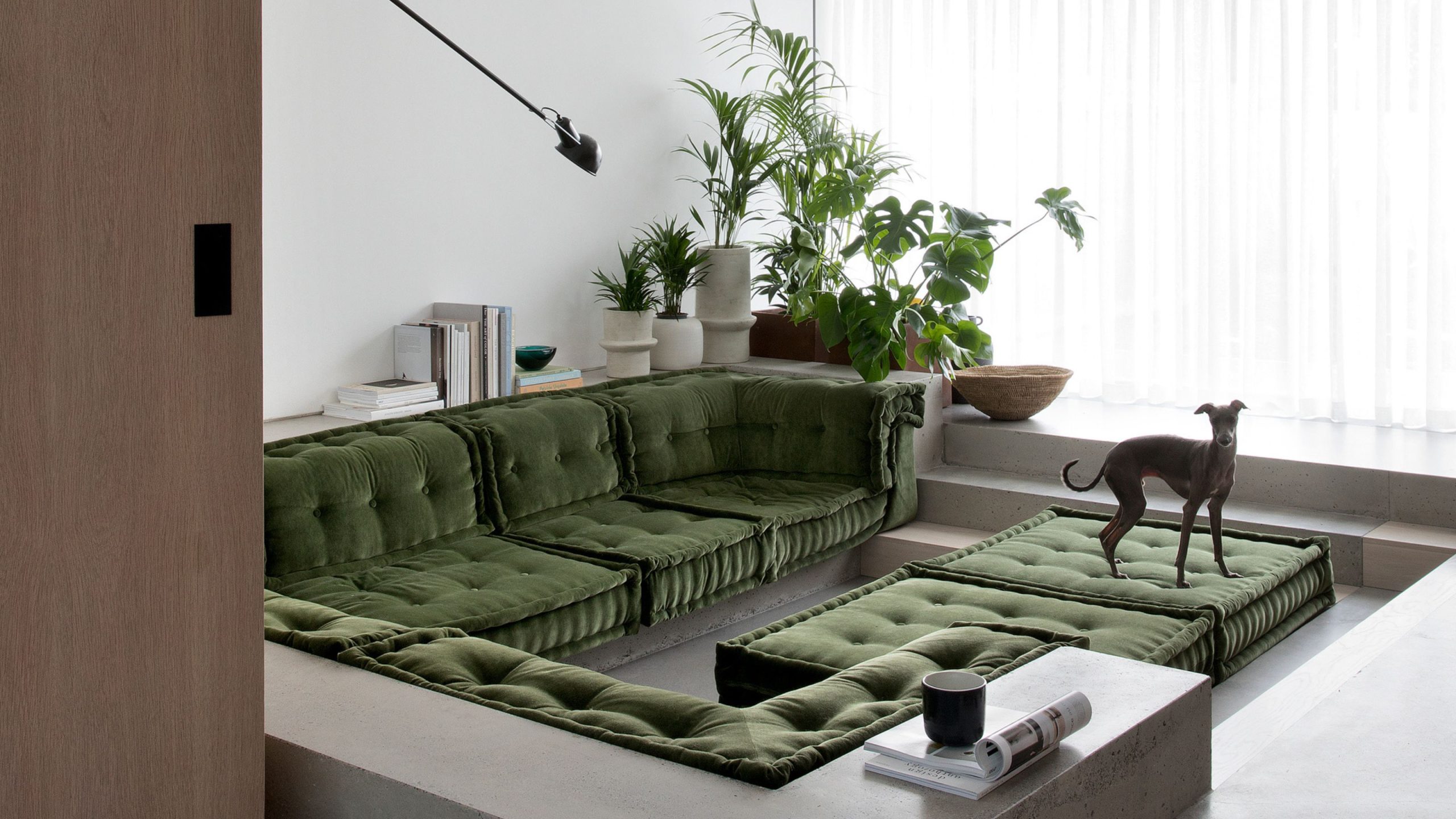
This is where we unwind and connect. Start with a sofa in a earthy, textured fabric like bouclé or linen. Add a central coffee table made from a slab of salvaged wood or smooth, tactile stone. Don’t forget seating—a rattan or bentwood armchair adds organic form. The goal is to create a space that feels inviting and grounded, you know?
The Bedroom: A Sanctuary for Sleep
Here, biophilic design is all about serenity. A bed frame in solid oak or walnut provides a stable, natural anchor. Choose bedding made from breathable, natural fibers like organic cotton or linen—they regulate temperature and feel great against the skin. A simple, curved-headboard design can feel like a gentle horizon line. Keep surfaces clear and calm.
The Home Office: Boosting Focus & Flow
With remote work sticking around, this room needs to fight fatigue. A desk positioned for natural light is ideal. If you can, opt for a standing desk with a bamboo top. Incorporate a side table or shelves in rattan to break up the monotony of metal and plastic. Even a chair with a cane backrest can introduce vital texture and airflow.
Material Spotlight: The Good, The Better, The Sustainable
Not all “natural” materials are created equal. The current trend leans heavily on sustainability and ethical sourcing. Here’s a quick look at some top contenders for biophilic furniture.
| Material | Key Characteristics | Best For |
| Solid, Reclaimed Wood | Warm, durable, unique grain. High sustainability if reclaimed or FSC-certified. | Statement tables, bed frames, shelving. |
| Rattan & Cane | Lightweight, breathable, adds visual texture and a woven pattern. | Accent chairs, headboards, cabinet doors, lighting. |
| Cork | Surprisingly resilient, soft underfoot, naturally antimicrobial. A renewable resource. | Stool tops, small side tables, decorative accessories. |
| Natural Stone | Cool, solid, each piece is one-of-a-kind. Has a timeless, grounding weight. | Coffee table tops, bathroom vanities, fireplace surrounds. |
| Organic Textiles | Linen, cotton, wool. They age beautifully, feel authentic, and improve indoor air quality. | Upholstery, throw pillows, blankets, curtains. |
Avoiding the Pitfalls: It’s Not Just a “Look”
A common mistake is treating biophilic design as a mere aesthetic—like “Japandi” or “Coastal Grandma.” It’s deeper than that. Using a laminate printed with a wood grain pattern? That misses the point. The magic is in the authenticity of the material, its texture under your hand, its subtle scent. It’s about engaging multiple senses.
Another pitfall? Overcomplicating it. You don’t need to turn your apartment into a jungle gym. Start with one or two key pieces. A single, beautiful solid wood dining table can become the anchor for your entire home’s biophilic journey. Let it breathe. Pair it with simpler pieces.
The Future is Natural (and Smart)
Looking ahead, biophilic design integration is getting smarter. We’re seeing furniture that literally supports plant life—think of integrated planters in table bases or shelving systems designed for vertical gardens. And then there’s the rise of “organic modern” as a dominant style, which perfectly marries clean lines with raw, natural materials. It’s a look that feels both current and timeless.
The real shift, though, is in how we think. We’re moving away from furniture as disposable decor and toward pieces that tell a story, that connect us to the natural world, and that genuinely make our indoor lives healthier. It’s a quiet revolution, happening one thoughtfully chosen chair, one tactile wooden surface, at a time.
So, the next time you’re considering a new piece for your home, pause. Ask not just if it fits the space, but if it feeds your need for nature. Does it have a story in its grain? Does its shape remind you of something organic? Does it make you want to reach out and touch it? If the answer is yes, you’re not just buying furniture. You’re cultivating a connection.


Happy
0 %

Sad
0 %

Excited
0 %

Sleepy
0 %

Angry
0 %

Surprise
0 %