







 0
0
 0
0
Read Time:7 Minute, 20 Second
Let’s be honest — when most of us think of a garden, we picture sun, soil, seeds, and maybe a few earthworms. But there’s a hidden hero beneath our feet, a vast, thread-like network that’s been quietly running the show for millions of years. I’m talking about mycelium. This isn’t just some sci-fi concept or a fancy trend for mushroom nerds. Mycelium is the root system of fungi, and it’s arguably the most underrated ally in any garden. Integrating it into your soil isn’t just a cool experiment — it’s a game-changer for soil health and food production.
What Exactly Is Mycelium? (And Why Should You Care?)
Picture a spider web, but way more complex and living underground. That’s mycelium. It’s a mass of branching, thread-like structures called hyphae that weave through soil, decomposing organic matter and forming symbiotic relationships with plant roots. Honestly, it’s the internet of the soil — a communication and nutrient highway. When you see a mushroom popping up above ground, that’s just the fruit of the mycelium. The real action is happening below.
So why should a gardener care? Well, mycelium does three big things: it breaks down tough organic matter (like wood chips or straw) into plant-available nutrients, it helps plants access water and minerals, and it literally connects plants to each other. It’s like having a team of tiny, tireless composters and delivery drivers working 24/7.
The Symbiosis You Didn’t Know You Needed
Plants and mycelium have a deal — it’s called mycorrhizal association. The fungi colonize plant roots, extending their reach far beyond what the root system could do alone. In exchange for sugars from the plant (which the fungi can’t make themselves), the mycelium delivers phosphorus, nitrogen, and water. It’s a trade that’s been going on for 400 million years. And you can tap into it simply by adding the right fungi to your garden.
Here’s the kicker: most modern agricultural practices — tilling, synthetic fertilizers, fungicides — actually destroy this partnership. Your soil might be sterile, lonely, and missing its fungal workforce. That’s where we come in.
Getting Started: How to Introduce Mycelium to Your Garden
Alright, so you’re sold on the idea. But how do you actually do it? It’s simpler than you think. You don’t need a lab coat or a degree in mycology. Here’s a step-by-step approach that won’t overwhelm you.
1. Choose Your Fungus
Not all fungi are created equal. For food production, you’ll want species that form mycorrhizal relationships with your crops. Here’s a quick cheat sheet:
| Fungus Type | Best For | Notes |
|---|---|---|
| Arbuscular mycorrhizal fungi (AMF) | Most vegetables, grains, herbs | Works with 80% of land plants. Easy to find as powder. |
| Ectomycorrhizal fungi | Trees (oak, pine, birch), shrubs | Often sold as root dip or spore slurry. |
| Saprophytic fungi (e.g., oyster mushrooms) | Compost piles, wood chip beds | Breaks down woody debris; improves soil structure. |
For a veggie garden, go with AMF. You can buy it as a dry powder or granules online. Look for products with multiple species — diversity matters.
2. Inoculate Your Soil (The Easy Way)
You’ve got a few options here. The simplest? Sprinkle the mycorrhizal inoculant directly into the planting hole when you transplant seedlings. Or mix it with water and drench the root zone. For seeds, you can dust them with the powder before sowing. It’s almost too easy.
Another method? Create a “fungal tea.” Steep a handful of mycelium-rich compost or inoculant in a bucket of dechlorinated water for 24 hours. Then water your plants with it. It’s like a probiotic smoothie for your soil.
3. Feed the Mycelium (Don’t Starve It)
Mycelium needs organic matter to thrive. Think wood chips, straw, leaf mold, or well-rotted manure. Spread a 2-3 inch layer of mulch over your beds. This keeps the soil cool, moist, and rich in food for the fungi. Avoid tilling — it shreds the mycelial network. Instead, use no-dig methods. Your fungi will thank you.
And here’s a pro tip: stop using synthetic fertilizers and fungicides. They’re like napalm for mycelium. If you must fertilize, go organic — fish emulsion, seaweed, or compost tea.
Mycelium in Action: Boosting Food Production
You might be thinking, “Okay, but does this actually make my tomatoes bigger?” The short answer: yes. But it’s not just about size. Mycelium improves flavor, nutrient density, and plant resilience. Let’s break that down.
Better Nutrient Uptake
Plants with mycorrhizal fungi can access phosphorus that’s otherwise locked in the soil. They also mine for micronutrients like zinc and copper. Studies show that inoculated plants can have up to 50% higher yields in poor soils. That’s not a typo. And the veggies? They often have higher levels of antioxidants and vitamins. Your salad could literally be healthier.
Drought and Disease Resistance
Mycelium acts like a sponge, holding water around roots. During dry spells, your plants will suffer less. Plus, the fungi produce compounds that suppress soil-borne pathogens like Fusarium and Pythium. It’s a natural immune system for your garden. No chemicals needed.
I’ve seen it firsthand — a patch of peppers with mycelium stayed green and productive during a heatwave, while the control plot looked like a sad, wilted mess. That’s the power of a good fungal network.
Growing Mushrooms Alongside Your Veggies
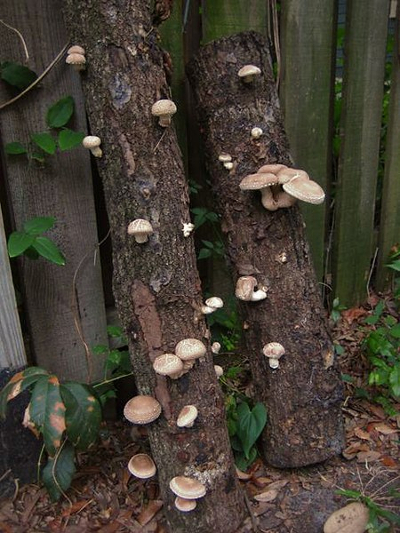
Now, let’s talk about a fun twist — actually growing edible mushrooms in your garden beds. This is where mycelium really shines. You can integrate saprophytic fungi like wine cap or oyster mushrooms into your mulch layer. They’ll break down wood chips, improve soil structure, and give you a bonus crop.
Here’s how to do it:
- Get spawn — mushroom spawn (mycelium on a substrate like sawdust) from a reputable supplier.
- Lay down a thick mulch — at least 4-6 inches of fresh wood chips or straw.
- Incorporate the spawn — mix it into the top few inches of the mulch.
- Keep it moist — water regularly, especially in dry weather.
- Wait — you’ll see mushrooms in a few months, often after rain.
Wine cap mushrooms (Stropharia rugosoannulata) are a favorite for gardens. They’re hardy, tasty, and they don’t compete with your veggies — they actually help them by cycling nutrients. Plus, they look gorgeous — burgundy caps against green leaves. It’s a win-win.
Common Mistakes (And How to Avoid Them)
Let’s be real — not everything goes perfectly. Here are a few pitfalls I’ve stumbled into, so you don’t have to.
- Using chlorinated water. Chlorine kills fungi. Let tap water sit out for 24 hours, or use rainwater.
- Over-fertilizing with nitrogen. High nitrogen (like in synthetic lawn fertilizers) can suppress mycorrhizal formation. Go easy.
- Tilling too much. Remember, mycelium is a fragile network. No-dig gardening is your friend.
- Planting in sterile soil. If you’re using bagged potting mix, it’s often pasteurized. You’ll need to reintroduce fungi.
- Ignoring shade. Mycelium doesn’t like direct sun. Keep it mulched and shaded.
Honestly, the biggest mistake is overthinking it. Mycelium wants to grow. Give it a little food, a little moisture, and get out of its way.
The Bigger Picture: Soil Health as a System
Here’s the thing — mycelium isn’t a magic bullet. It’s part of a larger ecosystem. When you integrate fungi, you’re also supporting bacteria, protozoa, nematodes, and earthworms. It all connects. Healthy soil is alive, crumbly, and smells like… well, like rain on a forest floor. That’s the smell of mycelium at work.
In fact, a single teaspoon of healthy soil can contain several miles of fungal hyphae. Think about that. Every time you dig, you’re cutting through a living web. So maybe dig less. Let the fungi do the heavy lifting.
And here’s a thought — we’re in an era of climate stress, soil degradation, and chemical dependency. Mycelium offers a low-tech, high-impact solution. It’s not a new invention. It’s a rediscovery of something ancient. Something that works.
Final Thoughts (No Sales Pitch, Just Soil)
Gardening with mycelium isn’t about following a trend. It’s about listening to the land. It’s about realizing that the most powerful tools are often invisible. You don’t need expensive inputs or complicated systems. You just need to invite the fungi in and let them do what they’ve been doing since before dinosaurs roamed.
Your soil will get darker, richer, and more alive. Your plants will grow stronger. And you might even get a few mushrooms for dinner. That’s not a bad deal for a little bit of dust and some wood chips.