




 0
0
 0
0
Read Time:5 Minute, 1 Second
Let’s be honest. The idea of “home” is changing. It’s no longer just four walls and a roof. For millions of older adults and people with disabilities, home is the front line of independence. It’s where we want to stay—safely, comfortably, and on our own terms. That’s the promise of aging in place.
But how? Well, here’s the deal: modern smart home technology isn’t just for playing music on command or turning lights purple for a party. When thoughtfully integrated, it becomes a powerful, invisible support system. It’s like having a helpful neighbor who’s always there, but never intrusive. This article dives into how smart home integration for accessibility is reshaping what’s possible.
Beyond Convenience: The Core Philosophy of Accessible Tech
First, a quick mindset shift. Accessible smart home design isn’t about adding gadgets. It’s about removing barriers. A voice command replaces a hard-to-reach switch. An automated pathway light eliminates a tripping hazard in the dark. The goal is to reduce physical and cognitive load, creating an environment that adapts to the person, not the other way around.
That said, the key word is integration. A single smart speaker is a start. But a system where lights, locks, thermostats, and sensors talk to each other? That’s where the magic happens for daily living.
Key Systems for Safety, Security, and Ease
1. Voice Control: The Universal Remote for Your Home
For someone with limited mobility or dexterity—whether from arthritis, Parkinson’s, or another condition—voice assistants (Amazon Alexa, Google Assistant, Apple Siri) are a game-changer. They act as the central hub. Imagine controlling almost anything without moving an inch:
- “Alexa, turn on the living room lamp.”
- “Hey Google, lock the front door.”
- “Siri, set the thermostat to 72 degrees.”
It sounds simple. But that simplicity is profound. It restores a sense of direct control over one’s environment.
2. Automated Lighting and Safety
Poor lighting is a major fall risk. Smart lighting solves this elegantly. You can set schedules so lights turn on at dusk automatically. Even better, use motion sensors or presence-sensing technology so lights gently illuminate a path to the bathroom at 2 AM. No fumbling for switches. The room knows you’re there.
You can also create “routines.” A single command like “Good night” can lock doors, turn off all lights, and leave a small nightlight on in the hall. It’s peace of mind, automated.
3. Proactive Safety Monitoring (The Subtle Guardian)
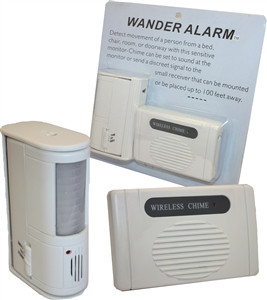
This is where it gets really smart. Instead of wearable alert pendants—which can be stigmatized or forgotten to be worn—discreet sensors can monitor for anomalies. A motion sensor in the kitchen that hasn’t triggered by 10 AM? A smart water sensor detecting a possible overflow? These systems can alert a family member or caregiver, enabling a quick check-in.
Smart smoke and carbon monoxide detectors don’t just sound an alarm—they can send a phone alert and even announce the danger through smart speakers. For someone with hearing loss, a smart plug can be set to flash a lamp during an alarm.
4. Access and Security Simplified
Smart locks allow keyless entry. You can grant temporary virtual keys to home health aides or family. No more worrying about lost keys or struggling with a stiff deadbolt. Pair it with a video doorbell, and you can see and speak to whoever’s at the door without getting up. It enhances security while reducing physical demand.
Putting It All Together: A Day in the Life
Let’s make this concrete. Meet Jean, who lives with limited mobility. Her integrated smart home works quietly in the background:
| Time | Action | Tech at Work |
| 7:30 AM | Wake up | Gentle bedroom lights brighten slowly (sunrise simulation). The thermostat adjusts from night to day temperature. |
| 10:00 AM | Expecting a grocery delivery | Jean gets a phone alert from her video doorbell. She unlocks the front door remotely for the delivery person to leave bags inside. |
| 3:00 PM | Time for medication | A smart speaker gives a verbal reminder. A smart pill dispenser unlocks the correct compartment. |
| 11:00 PM | Going to bed | “Alexa, good night.” The command locks doors, turns off all lights, and arms the security system. |
| 2:00 AM | Gets up for water | Motion sensors trigger pathway lights from bed to kitchen and back. No dark, dangerous walk. |
See? It’s not science fiction. It’s available, relatively affordable tech, layered to create a supportive ecosystem.
Getting Started: Practical Tips and Pitfalls
Okay, so you’re interested. Where do you begin? Don’t try to boil the ocean. Start with one pain point. Is it lighting? Start there. Is it security? Begin with a video doorbell.
Prioritize reliability and simplicity. A system that requires constant phone app troubleshooting or has a weak Wi-Fi connection adds stress, not reduces it. Look for devices that work with major platforms (like Matter, the new connectivity standard) to ensure they play nice together.
And here’s a crucial, often overlooked tip: involve the end-user in every step. What seems helpful to you might be confusing or patronizing to them. The technology must fit their habits, not force new ones.
The Human Element in a Digital Home
For all the talk of automation, the true power of smart home integration for aging in place is human. It preserves dignity. It reduces the burden on family caregivers—who can get peace-of-mind alerts rather than constant check-in calls. It can even combat isolation through easier video calling or connecting with family.
Sure, there are hurdles. Cost, complexity, privacy concerns—they’re real. But the trend is toward more intuitive, interoperable, and secure systems. The question is shifting from “Can we do this?” to “How can we tailor this?”
In the end, the most sophisticated smart home isn’t the one with the most gadgets. It’s the one you don’t really notice. It’s the home that fades into the background, silently ensuring safety, granting ease, and most importantly, protecting that irreplaceable feeling of being in your own place, on your own terms. And that, honestly, is a future worth building toward.


Happy
0 %

Sad
0 %

Excited
0 %

Sleepy
0 %

Angry
0 %

Surprise
0 %