







 0
0
 0
0
Read Time:7 Minute, 21 Second
Okay, let’s be real for a second. Most furniture is designed for a very specific kind of person — someone who doesn’t flinch at fluorescent lights, who can sit still on a hard wooden chair for hours, and who finds open-plan living “liberating.” But here’s the thing: that’s not everyone. In fact, for neurodivergent individuals — those with autism, ADHD, sensory processing disorder, or similar — the wrong piece of furniture can feel like a personal attack on the nervous system. It’s not just about aesthetics anymore. It’s about survival, comfort, and actually getting through the day without feeling overwhelmed.
So, what does furniture design look like when it’s built for sensory needs? Well, it’s a whole different ballgame. Let’s break it down.
The Sensory Landscape: Why Your Couch Matters More Than You Think
Think of your nervous system like a radio dial. For many neurodivergent people, that dial is turned up to 11. Every scratchy fabric, every sharp edge, every creaking spring — it’s not just a minor annoyance. It’s a full-blown signal that screams “danger.” Furniture design for neurodivergent needs isn’t about luxury. It’s about lowering the volume of the world.
There’s a reason weighted blankets went mainstream. Deep pressure stimulation calms the nervous system. But that’s just the tip of the iceberg. We’re talking about everything from the texture of a sofa to the angle of a desk. It’s a sensory symphony, and the furniture is the conductor.
Common Sensory Triggers in Furniture (and How to Fix Them)
- Harsh textures: Wool, scratchy velvet, or rough linen can cause tactile defensiveness. Solution? Look for brushed cotton, microsuede, or bamboo fibers. They’re soft, predictable, and don’t fight back.
- Glare and reflections: High-gloss surfaces or metal legs can create visual chaos. Matte finishes are your friend here. They absorb light instead of bouncing it around like a disco ball.
- Unpredictable movement: Wobbly chairs or recliners that snap back too fast? That’s a recipe for anxiety. Sturdy, grounded furniture with slow, controlled motion is key.
- Echo and sound: Hardwood floors and empty rooms amplify noise. Acoustic panels, upholstered headboards, and even thick curtains can soften the auditory environment.
Honestly, it’s about removing the friction between the person and the space. You know that feeling when you finally take off a pair of shoes that are too tight? That’s the goal.
Weighted, Wrapped, and Grounded: The Holy Trinity of Calming Furniture
If you’re designing for sensory needs, you’ll hear a lot about proprioception — the sense of where your body is in space. When that sense is off, you feel floaty, disconnected, or anxious. Furniture that provides deep pressure or a sense of enclosure can be a game-changer.
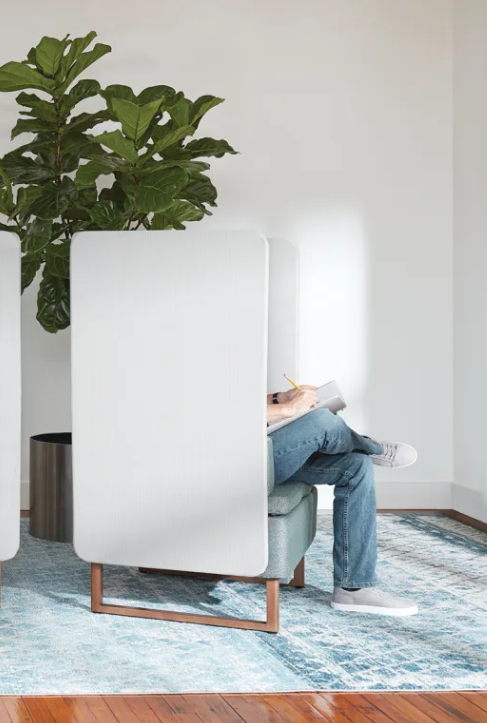
Take the classic beanbag chair, for example. But not just any beanbag — one that’s filled with micro-beads and has a soft, stretchy cover. It molds to the body, providing gentle, all-over pressure. It’s like a hug from a friendly cloud. Or consider a pod chair or a cocoon swing. These pieces create a literal boundary between the person and the environment. They say, “You are safe in here.”
And then there’s the weighted lap pad or sensory blanket draped over a chair. These aren’t just for bedtime. They can be used during work, reading, or even just zoning out. The weight grounds you. It’s a physical anchor in a world that feels chaotic.
The Role of Rocking and Swinging
Movement is another huge piece of the puzzle. For many neurodivergent people, gentle, rhythmic motion is deeply regulating. Think about a rocking chair — it’s been around for centuries for a reason. It mimics the sway of being held. Modern versions include gliders, hammock chairs, and even swings designed for indoor use. The key is that the motion is predictable and self-directed. No jerky starts or stops. Just a steady, soothing rhythm.
I’ve seen people literally melt into a rocking chair after a stressful day. It’s not just comfort — it’s a reset button.
Workstations That Don’t Fight Your Brain
Now, let’s talk about where most of us spend our waking hours: the desk. Traditional office furniture is a nightmare for sensory sensitivities. Hard plastic chairs, buzzing monitors, and that god-awful fluorescent hum. But it doesn’t have to be that way.
A standing desk converter can be a lifesaver — not just for posture, but for allowing movement. Some people need to shift positions constantly. A chair that swivels, bounces, or has a flexible back can accommodate that. Look for ergonomic mesh chairs that breathe and don’t trap heat. Or, if you prefer something softer, a kneeling chair that tilts your pelvis forward and reduces pressure on the spine.
And here’s a quirky but effective idea: fidget-friendly desk accessories. A textured mouse pad, a squishy armrest, or even a small weighted object on the desk can provide the tactile input needed to stay focused. It’s not about distraction — it’s about regulation.
Lighting and Surface Considerations
Lighting is often overlooked in furniture design, but it’s critical. A desk with a built-in dimmable LED strip or a matte, non-reflective surface can reduce visual strain. Avoid white or glossy desktops — they create glare that can trigger headaches or sensory overload. Instead, go for wood tones, soft grays, or black. And if you can, position the desk so it doesn’t face a window directly. That harsh sunlight? Not your friend.
| Sensory Issue | Furniture Solution | Why It Works |
|---|---|---|
| Tactile sensitivity | Soft, brushed cotton or microsuede covers | Predictable, non-irritating texture |
| Auditory overload | Upholstered headboards, acoustic panels | Absorbs sound, reduces echo |
| Proprioceptive need | Weighted blankets, pod chairs | Deep pressure calms the nervous system |
| Visual overwhelm | Matte finishes, dimmable lights | Reduces glare and visual chaos |
| Need for movement | Rocking chairs, gliders, bouncy stools | Rhythmic motion regulates arousal |
Bedrooms: The Sanctuary of Softness
Sleep is sacred — especially for neurodivergent brains that struggle to shut off. The bedroom should be a sensory retreat. Start with the bed frame. A platform bed with a low profile feels more grounded than a tall, imposing frame. Avoid metal springs that squeak. Go for solid wood or upholstered frames with padded headboards.
The mattress is huge. Some people need a firm, supportive surface to feel secure. Others need a plush, memory foam cloud that swallows them whole. There’s no one-size-fits-all. But consider a mattress topper with cooling gel — temperature regulation is a common sensory issue. And please, for the love of all that is holy, invest in blackout curtains. Light sensitivity is real.
Also, think about canopy beds or bed tents. I know, it sounds like a childhood thing. But creating a enclosed, cave-like space can be incredibly calming for adults too. It’s a visual and auditory buffer. You’re not just sleeping — you’re nesting.
Living Rooms: Balancing Stimulation and Calm
The living room is tricky. It’s where people gather, where noise happens, where TV flickers. But it’s also where you need to decompress. The trick is to create zones. A cozy corner with a chaise lounge or a floor cushion can be a quiet retreat. Meanwhile, the main sofa should be wide and deep — the kind you can curl up in or sprawl across.
Fabric choice matters a lot here. Avoid anything that makes a crinkling sound or feels sticky. Velvet is surprisingly good — it’s soft, quiet, and doesn’t snag. Linen blends can work if they’re washed a few times to soften them. And if you have pets or kids, consider removable, washable covers. Sensory issues don’t care about spills, but clean fabric does.
Oh, and coffee tables? Round edges. Always. Sharp corners are a hazard for everyone, but for someone who might bump into things or have spatial awareness challenges, they’re a genuine risk. Plus, a round table feels softer, more inviting.
Materials Matter: A Quick Guide
Let’s get a little nerdy for a second. The materials you choose can make or break a sensory-friendly space. Here’s a cheat sheet:
- Wood: Solid, unfinished or matte-sealed wood is great. Avoid high-gloss lacquer — it’s visually loud.
- Metal: Use sparingly. Powder-coated finishes are better than shiny chrome. And no exposed screws or sharp edges.
- Fabric: Cotton, bamboo, Tencel, and microfiber are winners. Avoid wool, burlap, or anything with a coarse weave.
- Foam: Memory foam with a cooling layer is ideal. But beware of off-gassing — let it air out for a few days before use.
- Glass: Honestly, just skip it. It’s cold, reflective, and fragile. Not a good combo.
Sure, you can mix and match. But the rule of thumb is: if it feels harsh to your hand, it’ll feel harsh to your nervous system.
The Future of Neurodivergent Furniture Design
We’re seeing a shift, finally. Brands like IKEA are starting to explore sensory-friendly lines. Small designers are creating modular pieces that can be reconfigured for different needs. And there’s a growing recognition that “universal design” doesn’t mean boring — it means flexible, thoughtful, and human.